Alpharetta's 1980s and 1990s Houses, and the Places They Hold Water
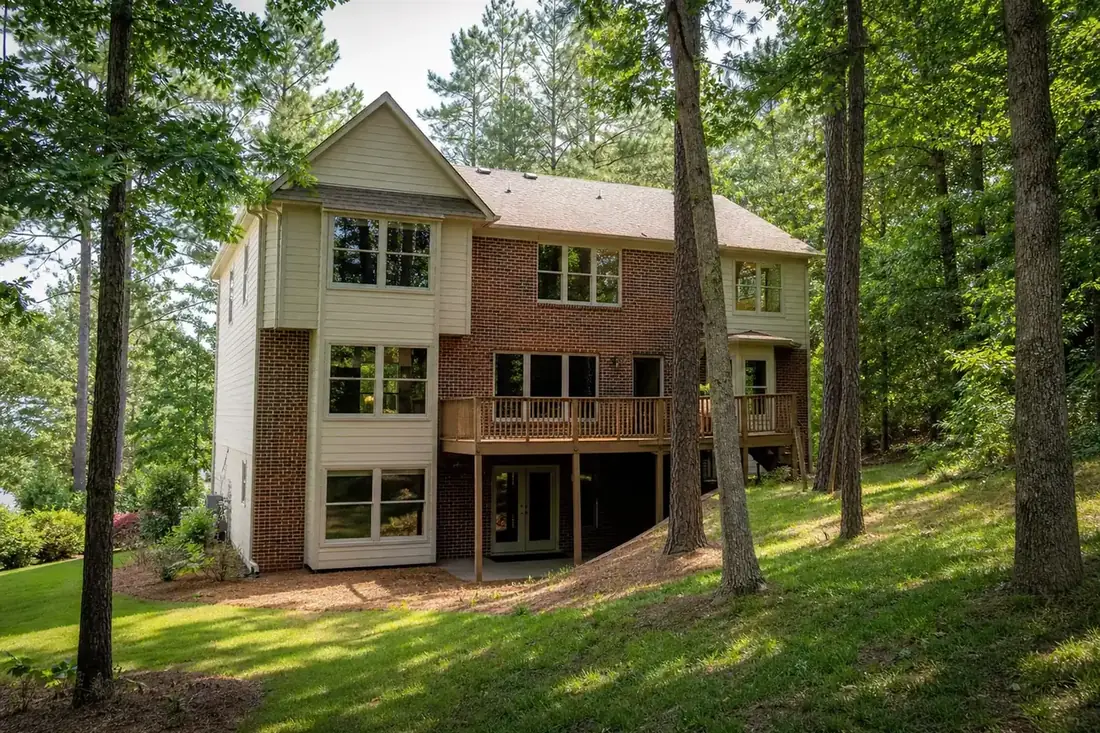
Alpharetta grew fast in two decades, and the houses from that boom now make up most of the city. They share materials, layouts and habits of construction, and so they tend to get wet in the same places.
Of Alpharetta's 26,223 homes, 14,837 (57%) were built between 1980 and 1999, and only 8% predate 1980 (U.S. Census ACS). Houses of that age commonly hold moisture at water heaters and appliance hoses, in finished basements, around window and door flashing, and where bath fans vent into the attic.
What the census says about Alpharetta's houses
The American Community Survey counts 5,756 Alpharetta homes built in the 1980s and 9,081 in the 1990s, against 5,129 from 2000 to 2009 and 3,531 from 2010 to 2019. Fewer than 2,100 date from before 1980, and the median year built is 1996. A little over half, 14,553, are single-family detached houses; renters occupy 8,737 of the 25,032 occupied homes (U.S. Census ACS 2020–2024).
Plumbing that has reached its second or third replacement
Original water heaters from the 1990s are long gone, but their replacements are aging too, and many sit in basements, garages or closets above finished floors. Braided supply lines, washing machine hoses and ice maker lines are cheap to replace and expensive when they fail. Replace rubber washer hoses with braided ones, look for a drain pan under the water heater, and know where the main shutoff is. See mold after a leak.
Basements finished years after the house was built
Many basements were framed and carpeted long after construction, sometimes right against bare concrete with fiberglass batts behind the drywall. That works until the wall gets damp, and then the insulation holds moisture against the drywall where nobody sees it. A basement that smells musty in July deserves a look behind the trim. See basement mold.
Attics, bath fans and windows
Bath fans in houses of this era sometimes discharge into the attic rather than through the roof, which wets the roof sheathing above them every winter; look for dark staining on the plywood near the fan. Window and door flashing and sealant from the 1990s may have failed, letting rain into wall cavities below the corners of windows. Rain is frequent here, about 77 days a year with a tenth of an inch or more at Atlanta Peachtree (NOAA), so small gaps get plenty of chances.
A simple yearly check
- Look under the water heater, kitchen sink and laundry for drips.
- Sniff the basement in July and check behind furniture on exterior walls.
- Look up into the attic over bathrooms for dark staining.
- Check window corners for stains or soft drywall after a hard rain.
- Keep indoor humidity under 60 percent, per the EPA.
Prices for anything you find are in the Alpharetta mold removal cost guide.
Tell the specialist what you found
Mention the room or level, whether it is a finished basement, and what got wet: a water heater, a supply line, rain at a wall, or nothing you know of. If you are buying or selling, say so. An independent mold specialist serving Alpharetta receives it and replies to you.